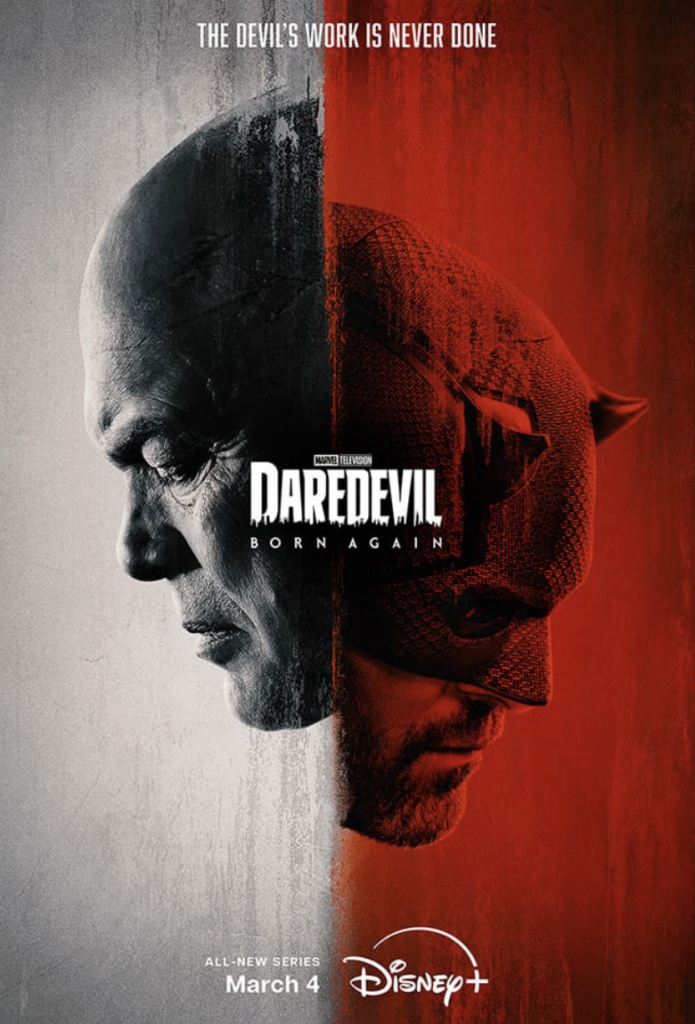
Photo courtesy of Marvel Television
After years of waiting, Matt Murdock returns carrying a heavy burden of darkness, masterfully portrayed by the incredible Charlie Cox, who redefines the character of Daredevil with greater depth. The first two episodes are not merely a continuation of the previous seasons; they represent a fresh journey for Daredevil, blending violence with moral conflict in a world seemingly abandoned by light.
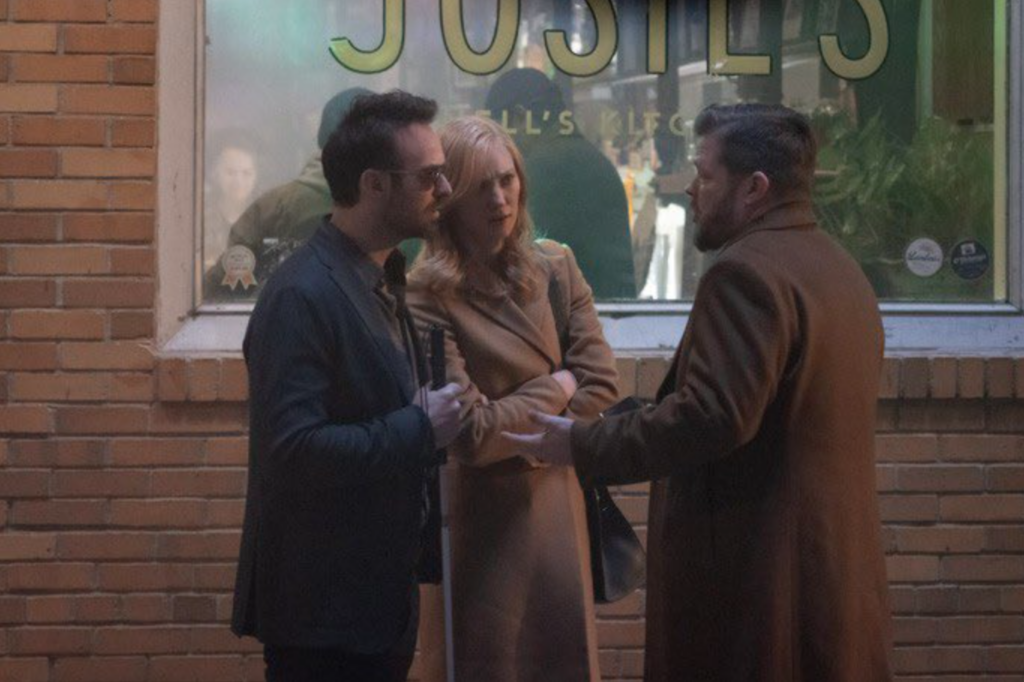
Photo courtesy of Marvel Television
From the very first moment, the series immerses viewers in the grim atmosphere of New York City—a city that breathes corruption and brutality. Here, Matt Murdock navigates two conflicting roles: the lawyer who believes in justice, and the vigilante who sees blood as the only language of fairness. The episodes do not hesitate to reveal the hero’s internal contradictions, especially after the events of the previous seasons, which have left clear psychological scars.
The opening scene is shocking and striking, setting the stage for Matt Murdock’s internal struggle, which deepens in the following episodes. He faces challenges that threaten his moral compass and turn his principles upside down. The fight scenes are more than displays of skill—they reflect the hero’s wounds and suppressed rage. Every strike, every broken bone, and every drop of blood is captured with focus, making the audience feel the physical and emotional impact.
Cinematography highlights the complexity of Matt’s pain in a key fight scene from the first episode, showing not only physical injuries but also a mirror of his violent internal struggle. Every punch exposes a moral conflict, forcing viewers to ask: Is this “justice” or merely revenge?
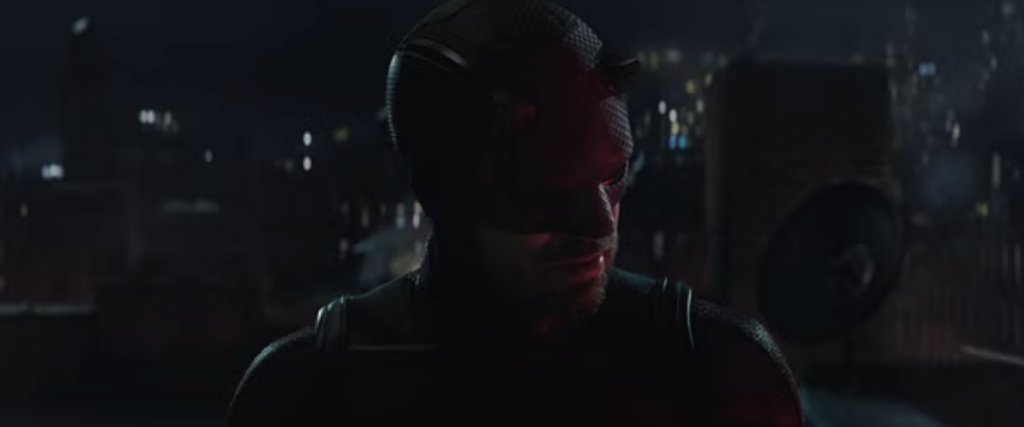
Photo courtesy of Marvel Television
The true strength of these episodes lies in the dialogue, which complements the action with profound philosophical questions. Lines like, “New York doesn’t need heroes,” linger in the mind, challenging the effectiveness and impact of such heroes on the city. Even secondary characters offer alternative perspectives on evil, creating intentional ambiguity between good and evil.
The title, “Born Again,” is no random choice—it foreshadows radical transformations in Matt Murdock’s character. The episodes lay the groundwork for his gradual physical and psychological breakdown after the devastating trauma he endured, and his slow rebirth as he attempts to realign his moral compass as both a lawyer and a hero. Even Wilson Fisk / Kingpin (brilliantly reprised by Vincent D’Onofrio) appears as a new version of himself, where evil becomes a systematic force, not overcome by punches but by strategic thinking. Fisk’s role as New York’s mayor demonstrates how charisma and rhetoric can mask personal malevolence, showing the manipulations behind the scenes to assert control—a concept with real-world parallels in leadership contexts globally.
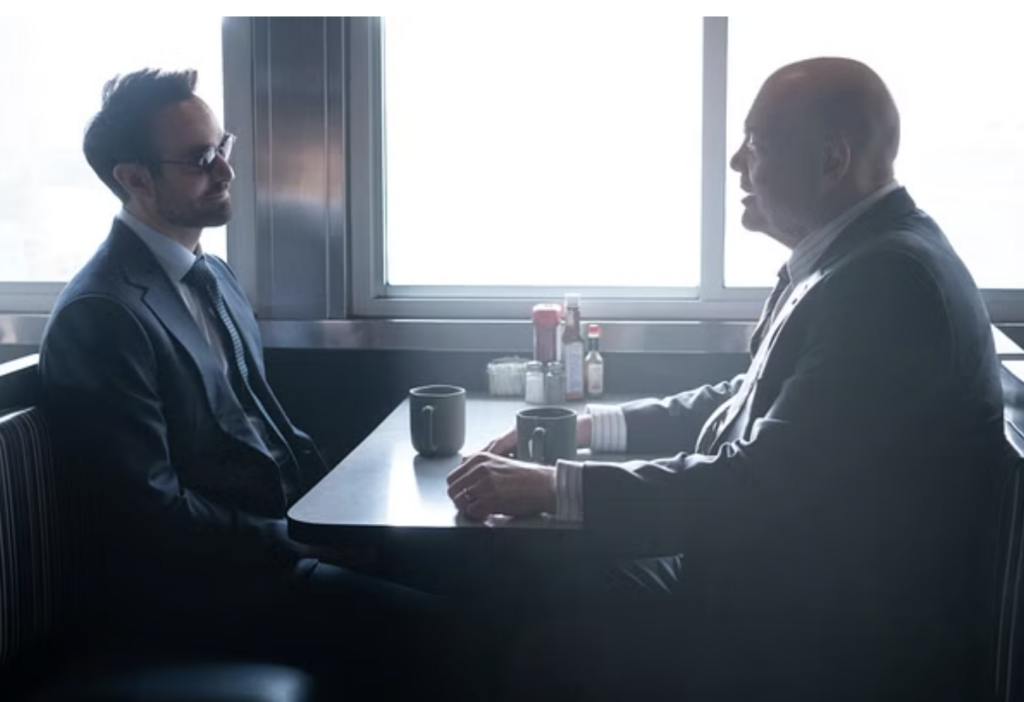
Photo courtesy of Marvel Television
The dialogues between Matt Murdock and Wilson Fisk go beyond mere words; they are an existential struggle between two individuals reborn from the ashes of their pasts, each bearing unhealed wounds. Their conversations reflect a stunning contrast between rebellion against their previous fates and the suspicious insistence on adopting new roles that both conceal and reveal their true selves. The dialogue acts like a dramatic orchestra, alternating between the screams of silence and the subtlety of speech. When they speak, they don’t merely exchange information—they share the pain shaped by their shared past. Even disagreements about the city’s future become mirrors of personal vendettas, with every strategic move recalling old scars.
This type of writing does not just create characters—it builds contemporary legends: heroes or villains dragging invisible chains of their past, their dialogue the sound of those chains. Here, “rebirth” is not an escape from oneself but a struggle with oneself, reminding viewers that transformation can sometimes be another form of surrender.
Despite the powerful storytelling and stellar performances, the visual effects are the show’s biggest weakness, with some scenes (notably the rooftop fight in the first episode) appearing fragile and artificial, as if detached from reality.
The series is dark and will satisfy Daredevil fans craving a gritty story filled with bloody combat and thought-provoking dialogue that examines characters’ motives and decisions. The first two episodes deliver on their promises: violent conflicts, a noir-style narrative, and questions that won’t be answered easily, filled with suspense and intrigue. Prepare to return to Hell’s Kitchen on March 5 via Disney+ for a dark, thrilling journey. Our rating for the first two episodes is:
9/10
About the Author