Courtesy of OSN+
Season two delivers a uniquely impactful experience, based on events from the game and set a few years after the first installment. This season primarily focuses on the first half of the game’s story, centering on Ellie’s revenge-driven journey filled with pain and anger, while leaving the detailed exploration of Abby’s story for the upcoming third season. This creates anticipation and curiosity for viewers who haven’t played the game.
Courtesy of HBO
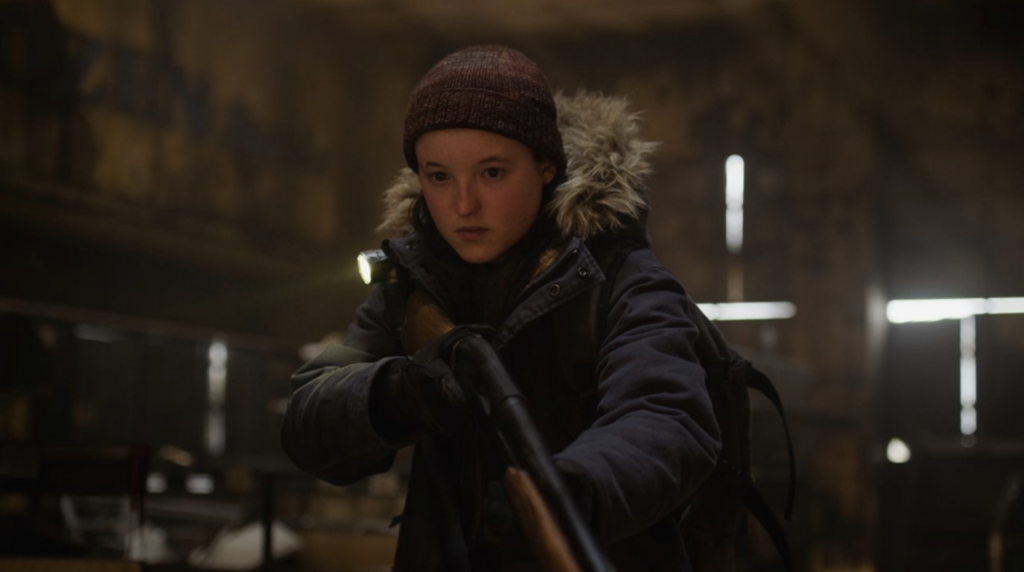
One of the biggest improvements this season compared to the game is how certain points that felt weak or rushed in the game are handled here—for example, Joel’s death is portrayed more gradually and logically, giving viewers a better understanding of the characters’ motivations. Additionally, Abby’s development in the series is stronger, presenting her in a way that encourages empathy from the start, unlike the game, where players initially rejected her before gradually uncovering her tragedy. The greatest achievement, however, is the deepening of the moral gray area, highlighting the perspectives of all characters in a way that allows the audience to understand the motives of even those who seem villainous at first. This aspect is handled more skillfully than in the game, making it easier to empathize with Abby and her companions, and enhancing the dramatic weight of the story.
Courtesy of HBO
From a technical standpoint, the series impresses with its stunning cinematography and direction. Many iconic scenes from the game are faithfully recreated, capturing locations, colors, and atmosphere almost exactly. The fight scenes are epic, reminiscent of Game of Thrones, and while violent, they also reinforce the emotional drama of the characters. That said, the season’s ending may leave viewers feeling incomplete, as the story halts suddenly midway through the narrative. This makes it feel more like a mid-season finale rather than a full-season conclusion. For viewers unfamiliar with the game, this may be confusing, as there is insufficient explanation for the progression of events or the fate of key characters. As mentioned, this season adapts only the first half of the story, focusing on Ellie, while the upcoming third season will cover the second half centered on Abby.

Courtesy of HBO
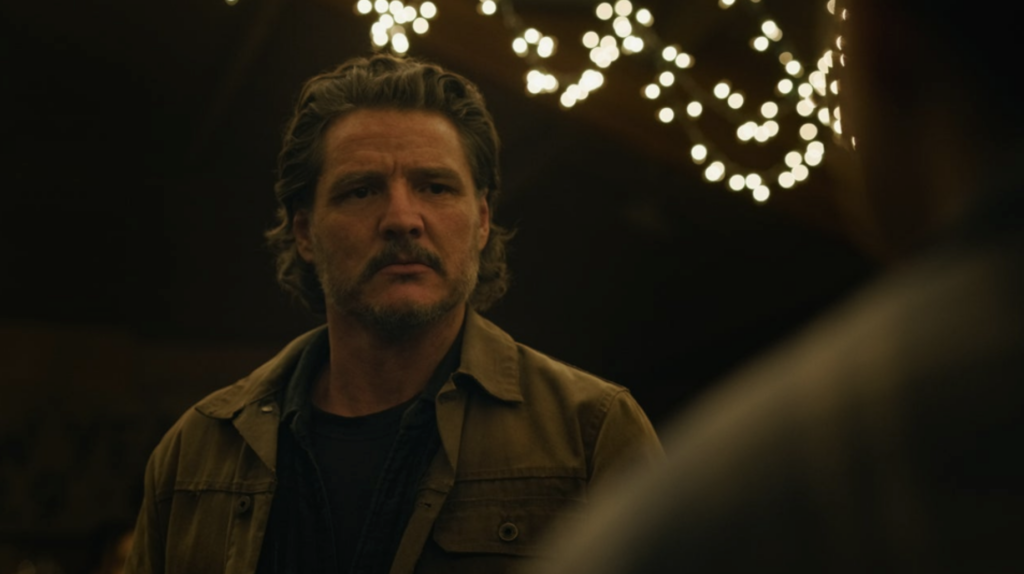
The series is not without flaws. One notable issue is occasional heavy-handed or contrived storytelling, which disrupts narrative flow—similar to the first season and the game. Despite this, the acting remains consistently strong. Pedro Pascal delivers a compelling performance in his limited appearance, Young Mazino excels as Jesse, and Caitlin Dever portrays Abby more effectively than in the game. Bella Ramsey also gives a powerful performance as Ellie, though some viewers—especially devoted fans of the game—may struggle with her significantly different appearance from the original character. This is purely a visual difference and does not diminish the quality of her performance, though it could be a point of contention for longtime fans. For new viewers, this is unlikely to be an issue.

Courtesy of HBO
Overall, season two is a strong continuation of the series, despite some creative choices that may not appeal to everyone. Fans of the game’s second installment will find many faithful moments alongside smart additions that enhance the story. The season consists of only seven episodes—fewer than the first season—which may make the pacing feel fast or incomplete, especially for viewers who haven’t played the game.
Considering all the positives and negatives, our final rating for this season is:
7.5/10
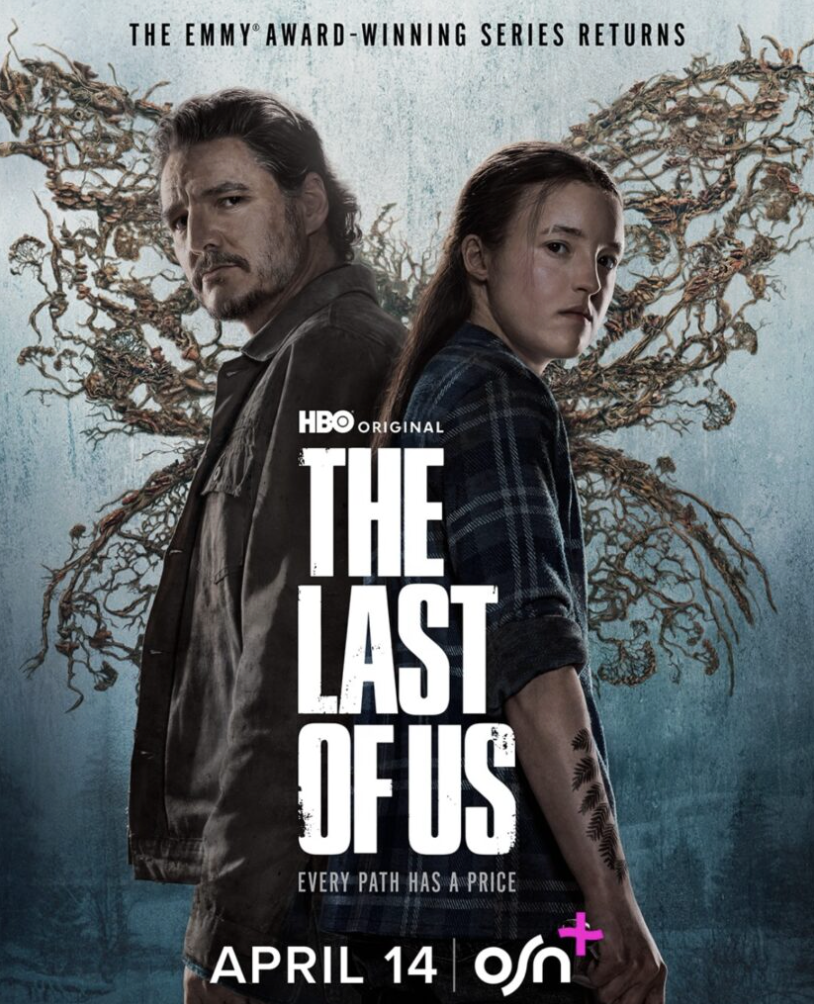
OSN+ will stream the series starting April 14.
About the Author